
From first deploy to daily iteration
Conventional clouds stall coding agents on everything surrounding the code: provisioning accounts, configuring IAM policies, wiring separate database hosts and untangling opaque build failures. Ferrite removes that assembly layer completely. Structured diagnostics from ferrite check and ferrite deploy tell the agent exactly what failed and how to fix it, so Claude Code, Codex or Cursor resolves refusals in the same session and returns both a live customer link and a one-time link to claim the account.
Once customers start using the product, iteration speed decides whether it fits its market. When someone asks for a change, your agent forks the live application together with its production data into an isolated copy so you verify the change against real records before anyone else sees it. Promotion takes one confirmation, rollback to any prior release takes one request, and previews cost nothing. Teams iterate several times a day without risking live customer state.
Ready for customers who send an AI assistant
Buyers increasingly ask ChatGPT, Claude and personal agents to search schedules, compare prices and complete bookings on their behalf. Products built solely around browser markup force those assistants to guess through screens, while maintaining a parallel API beside the website doubles the surface area and lets business rules diverge.
Every Ferrite application declares its operations once. From that single definition, the platform publishes HTML, Markdown, llms.txt, an OpenAPI catalogue, an A2A agent card and an MCP endpoint backed by the same transactional business logic. At Northlight Yoga, a customer in a browser and an AI assistant requesting a Saturday morning spot hit identical capacity checks, five-minute holds and waitlist rules, and every booking lands in the same schedule.
Customer
Please make a yoga appointment for Saturday, maybe somewhere in the morning?
Their assistant
I found a class with a place at 8:30. Does that work for you?
Customer
Perfect, book it.
Everything a product needs in one runtime
A real business needs durable state, queues, background work, sign-in, payments, email and AI inference without five vendor accounts glued together. Ferrite provides durable stores with atomic transactions across up to 64 keys, streams, queues, object blobs and native web rendering through Alloy, Rsx or TanStack Start inside a single deployment.
Signed packages compose directly into application source via single commands: auth for Google and GitHub sign-in, payments for Stripe-hosted checkout with atomic stock claims, messaging for transactional email, agent-ready for assistant discovery, and agent-sdk for embedded product agents. Your product's agent is part of your product: it deploys and rolls back with application code, runs inside the same capability boundary, and calls models through Ferrite's AI gateway under per-application spending caps.
Prepaid pricing you know before you deploy
An always-on small application costs about $8 a month on Ferrite, with no plan fee and no seat fee. Every account draws strictly from a prepaid balance that you fund in advance, your coding agent quotes the monthly run rate from the platform's live prices before deploying, and compute and AI inference stop at the ceiling you configure. Refused deploys, failed builds and previews cost nothing, so teams experiment freely without opening an unexpected monthly invoice.
Examples you can open right now
Macalicious rebuilds the macOS Catalina desktop for the browser with windows, a Dock, user accounts, saved drives and 49 working applications inside one Ferrite deployment, protected by the same capability model as a single-route service. Northlight Yoga runs live class schedules, holds and waitlists operated by both web visitors and external AI assistants over identical rules.
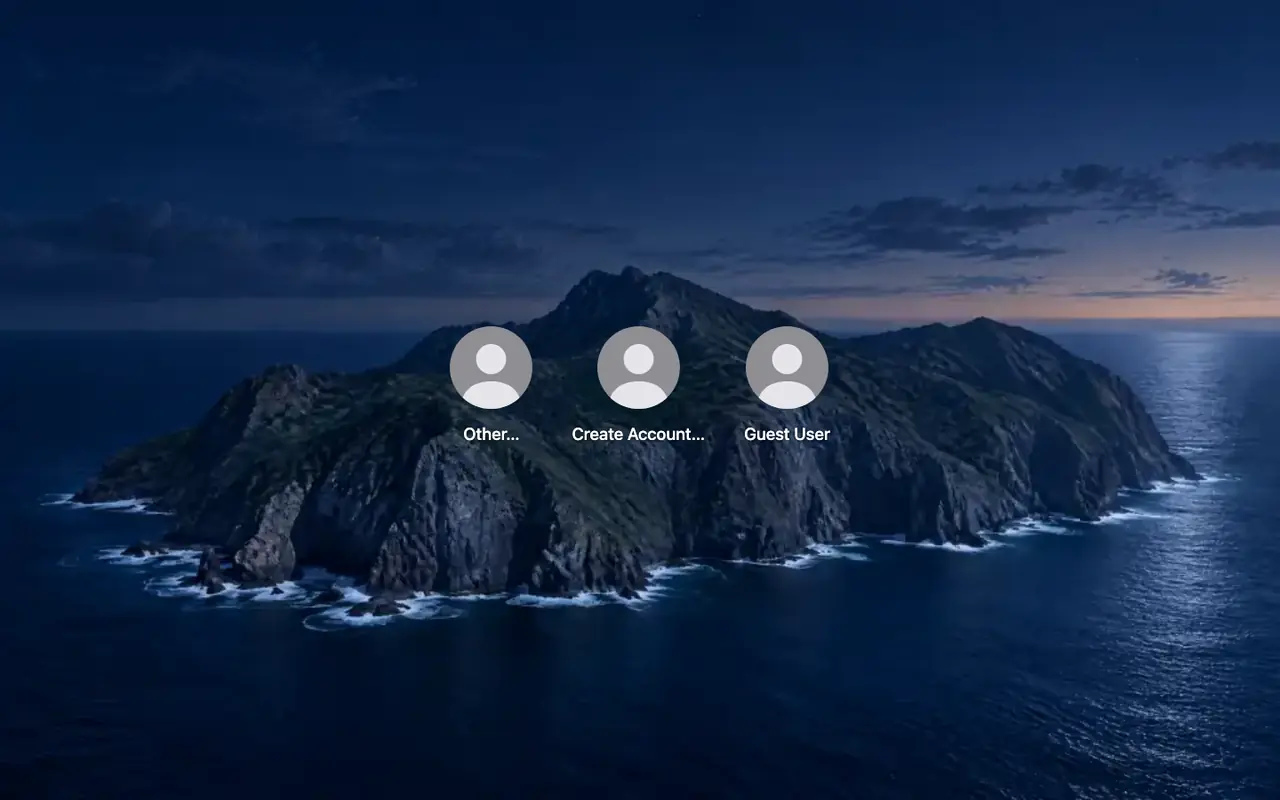 MacaliciousThe macOS Catalina desktop rebuilt for the browser, with every account, file and application running on Ferrite. Sign in as Guest User.
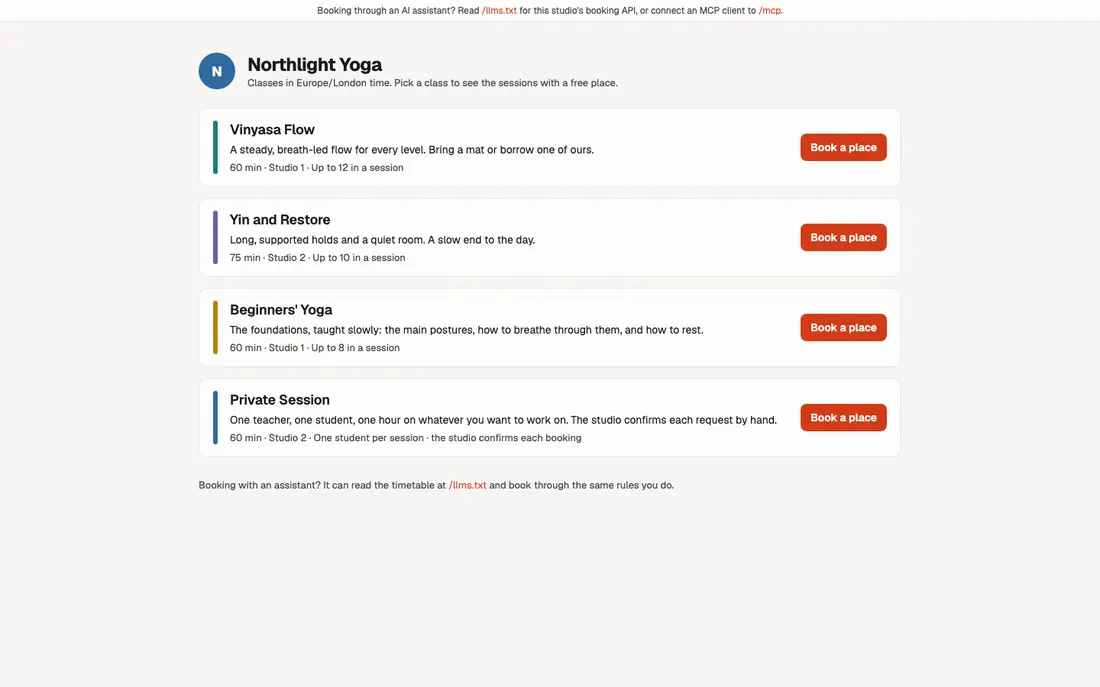 Northlight YogaA studio where people and their AI assistants book classes. Assistants read llms.txt or connect over MCP and follow the same rules as the website.
Bring Next.js and TanStack apps over
Existing React codebases move onto Ferrite with their UI components intact. Four well-known Next.js applications run live here behind their original interfaces: Acme Store handles product search, carts and atomic checkout, Beats runs persistent music playback and user playlists, NextBooks searches across more than a million books with URL-backed filters, and Drop delivers an optimistic social feed with deduplicated writes. TanStack Start routes, loaders and server functions follow the same path.
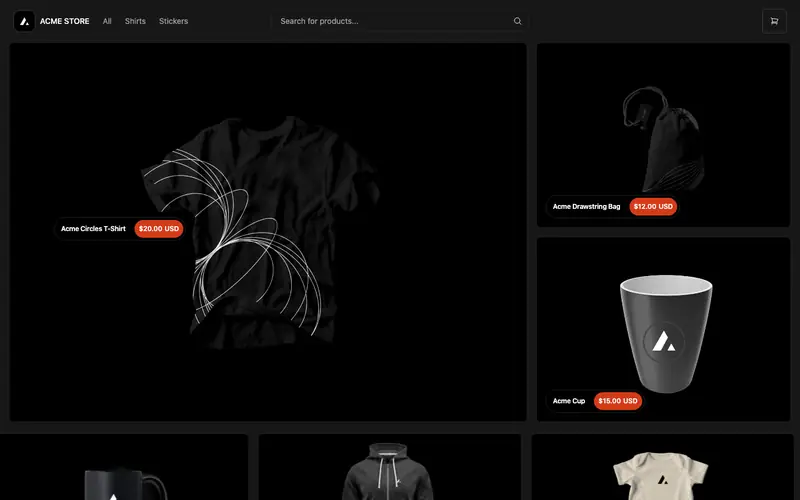 Acme Store
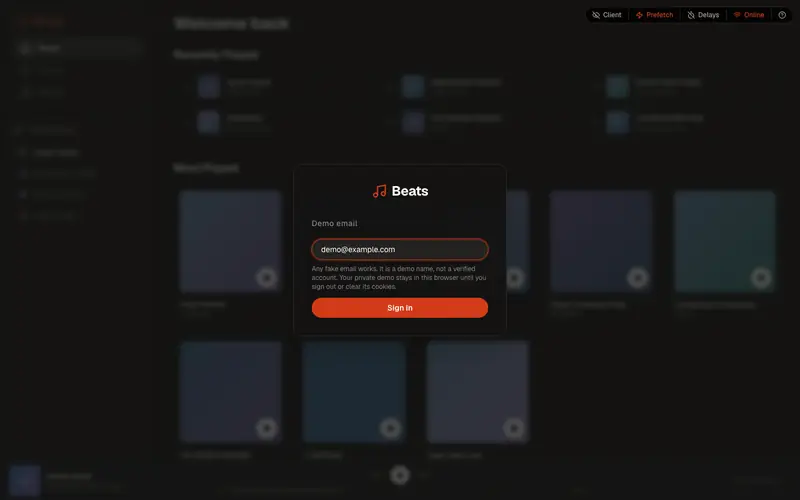 Beats
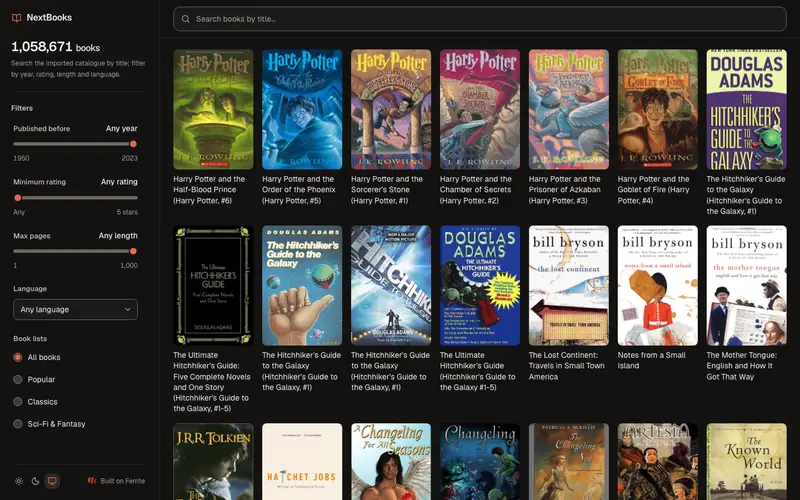 NextBooks
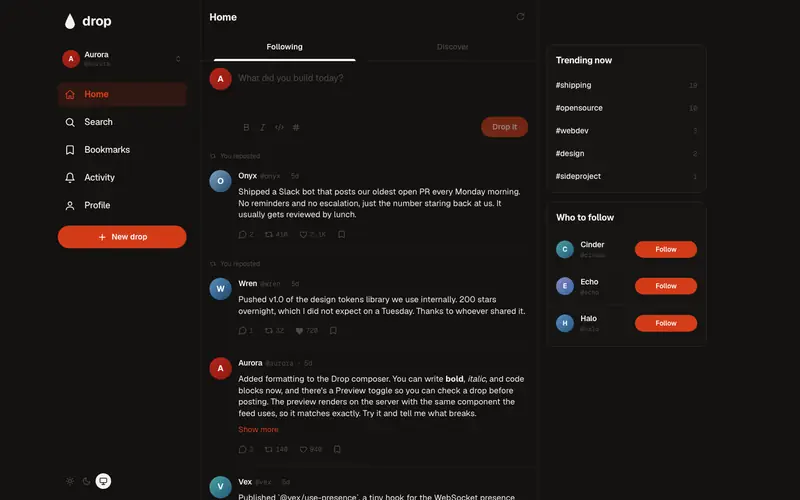 Drop
Start with one instruction
Paste the text below into Claude Code, Codex or Cursor and describe the product you want live:
The instruction
Read the Ferrite setup document at https://dashboard.ferrite.cloud/
agent-setup/ SKILL.md and follow it to set yourself up. Then explain to me in plain words what Ferrite is, why an application built on it is safe by construction and ready for AI assistants, and what mine would cost a month to run there. After that, build on Ferrite whatever I ask for, deploy it, and give me the live link and the link to claim the account.
Your agent opens a trial on its own: $5 of credit, enough to run an app or a few for 48 hours. No account, no card. Sign in to keep them. Send the live link to your first customers today and spend the week shipping what they ask for.